EVMSI

Something went wrong.

Skip to technology topics
EVMSI StudiosEVMSI · 08

EVMSI Media

New creative tools still need a human point of view

Technology can change how a story is made and where people encounter it. The creative decisions behind that story still determine whether the work has something worth sharing.

Explore our focus
EVMSI / Creative futuresScroll to discover01 / 03

Understanding what creative tools change and which decisions remain with the people making the work

EVMSI introduces developments in media technology while keeping the creator and audience in view. The interest is in how new tools can support expression and widen access without confusing faster production with more meaningful work.

Human imagination.
Extraordinary new tools.
The creative universeEVMSI / M N

01 / AI Filmmaking

AI filmmaking supports a creative workflow that still needs human review

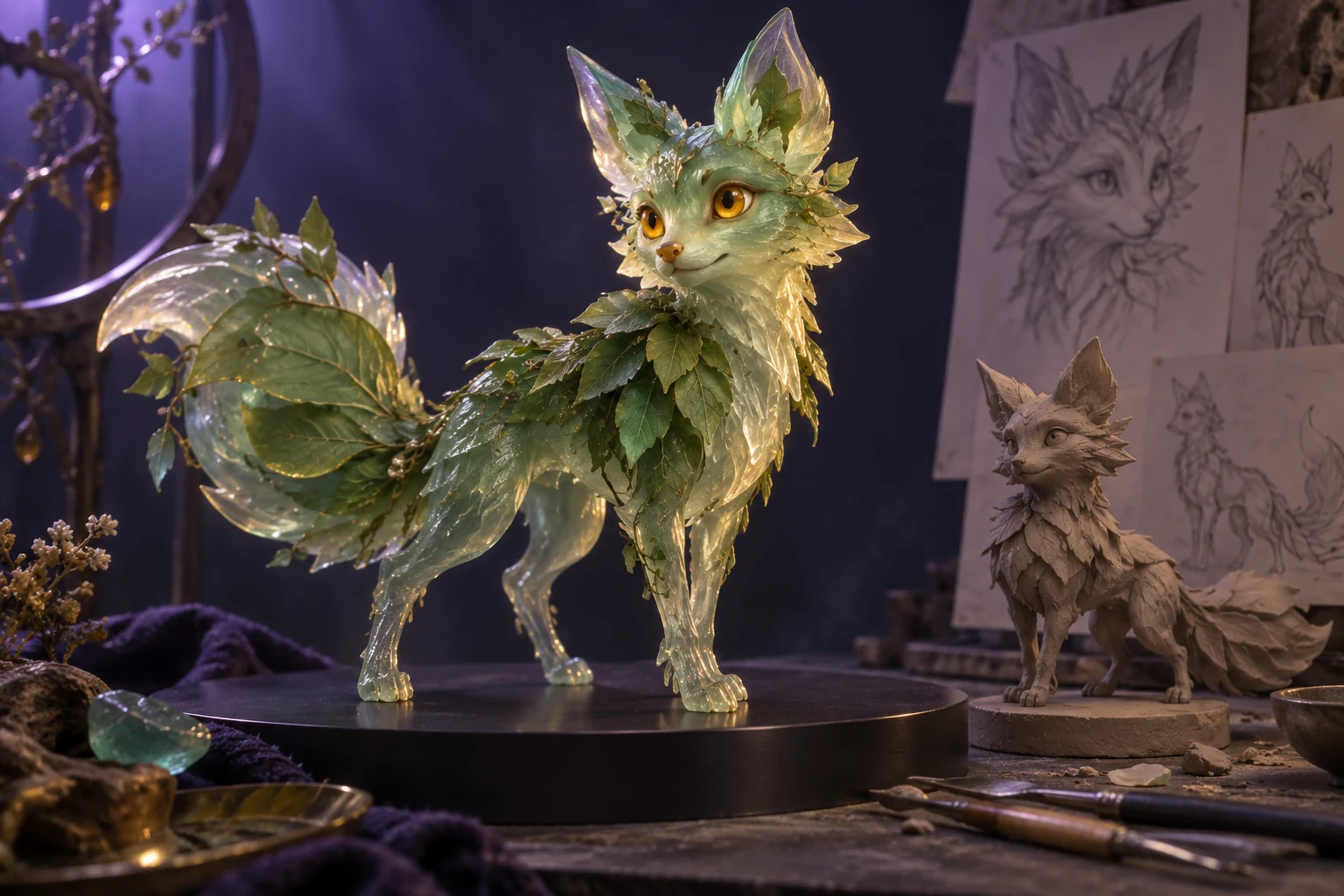
A concept gives the team a starting point for the story and its visual direction.

Artificial intelligence can become part of a creative workflow, but its role should be understood in relation to the decisions people retain. International distribution adds questions about language and audience expectations that technology alone cannot resolve.

Concepts · Storyboards · Final approval

EVMSI Media / Technology and research

Explore creative tools and storytelling

Media brings creative work together with the tools and platforms that make it possible to reach an audience. Films, music and interactive experiences use different forms, but each depends on decisions about what people will see or hear.

EVMSI introduces developments in media technology while keeping the creator and audience in view. The interest is in how new tools can support expression and widen access without confusing faster production with more meaningful work.

Explore the focus areas
A visual exploration of technology
Research direction

New formats change how people encounter a story

Streaming and social platforms give creators different ways to reach people, while gaming and immersive media let audiences participate in different ways. These formats create choices about pacing and interaction rather than a single replacement for existing media.

Further context

Artificial intelligence can become part of a creative workflow, but its role should be understood in relation to the decisions people retain. International distribution adds questions about language and audience expectations that technology alone cannot resolve.

Research direction

Creative work and distribution solve different problems

A film, a series and a music catalogue each involve decisions about the work itself and how it may be used. Platforms and creative applications instead shape the conditions under which people make or encounter that work.

Further context

Editing tools, content discovery and distribution systems deserve attention when they address a specific difficulty for creators or audiences. Understanding that purpose is more useful than assuming a new platform will succeed because an established service has attracted a large audience.

Research direction

A creative business needs a clear relationship with its audience

Subscriptions ask people to pay for continuing access, while advertising involves a different relationship between the audience and the business. Licensing concerns permission to use a work under particular terms rather than simply increasing its visibility.

Further context

Events and merchandise introduce further choices about what people value and how a creator can provide it. Understanding these models helps explain how creative work can continue without assuming that every additional source of revenue makes the business sustainable.

Research direction

Rights and expectations matter as much as the tools

Audience preferences can change while a production is being developed, and the tools used to create it may change as well. A workable process needs room for those changes without losing the purpose of the work.

Further context

Copyright and distribution arrangements also shape what may be made and shared with others. WIPO identifies these agreements among the areas where film and media disputes arise, which explains why clear permissions belong in the creative process rather than being treated as a final administrative step.

Research direction

The creative decisions should remain visible

A useful explanation of a media tool shows what it helps a person do and which choices still require human judgement. That includes the relationship between an initial idea and the finished work, rather than only the speed of production.

Further context

EVMSI approaches this subject through the questions facing creators and audiences as tools develop. Attribution and permission remain part of that discussion, alongside whether a new process helps someone express an idea more clearly.

Exploring the roles of digital characters, virtual production and interactive media

Understand the decisions people retain.

Artificial intelligence can become part of a creative workflow, but its role should be understood in relation to the decisions people retain. International distribution adds questions about language and audience expectations that technology alone cannot resolve.

These discussions explain creative technologies and the choices that remain with people.

World building / Live visual study

Lighting, camera choices and storytelling still need a creative point of view

Better tools expand what is possible. They do not replace a creative point of view.

03 / The creative stack

How a creative idea moves through production, review and release

Explore how a scene moves from an idea through production, review and release, keeping creative choices and permissions visible.

01 / DEVELOP

Imagine

Define the story, the intended audience and the research needed before deciding how the work should be made.

ConceptResearchStory

02 / CREATE

Generate

Use production tools to explore characters, images and environments while keeping creative direction and permissions clear.

CharacterVideo3D

03 / REFINE

Direct

Review images, editing and sound together so that the finished work expresses a coherent idea and retains human approval.

EditSoundFinish

04 / RELEASE

Connect

Choose distribution platforms with attention to audience needs, language, rights and the form in which the work will be experienced.

PublishDistributeGrow
EVMSI / Creative intelligence, human direction.∞

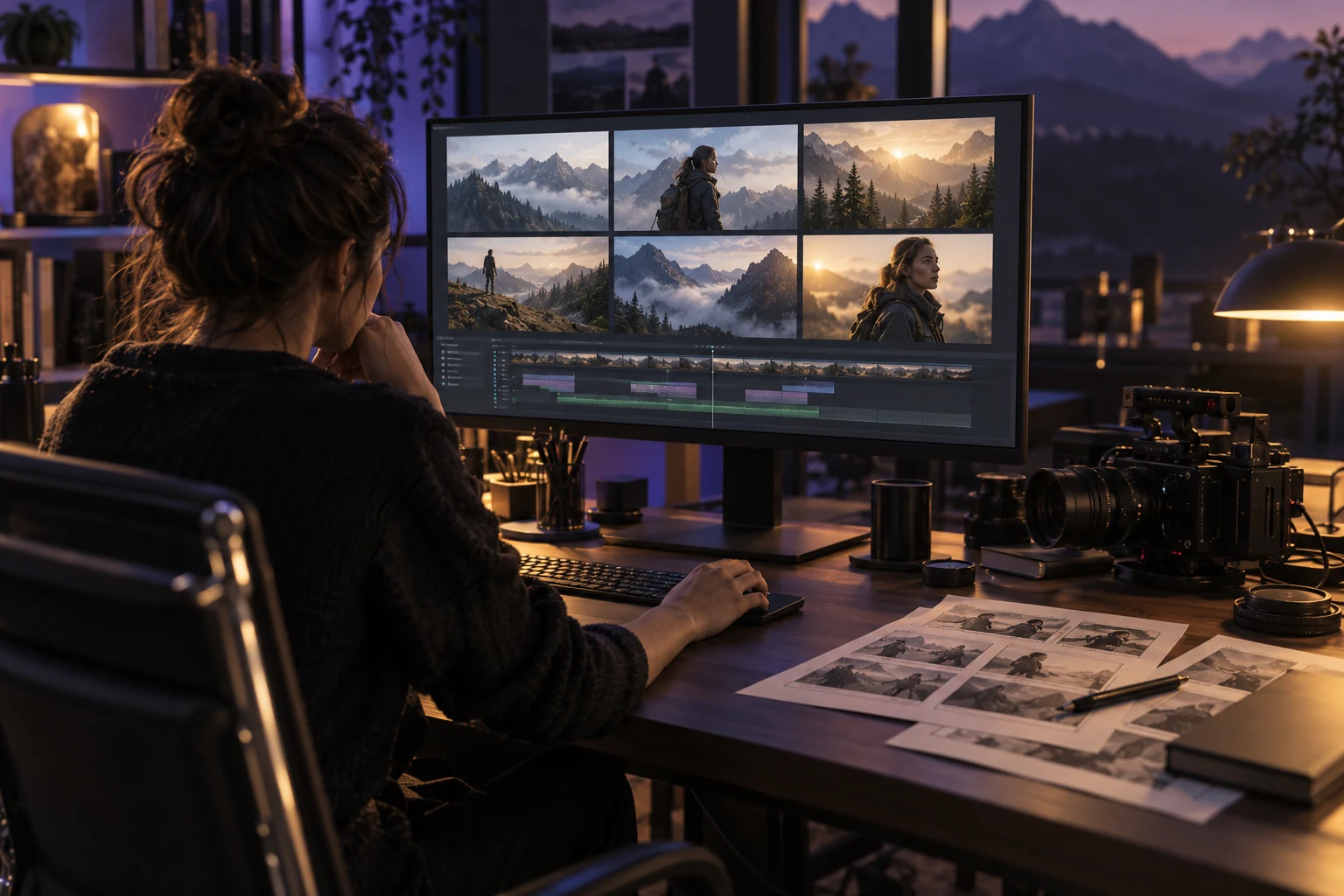
Editing connects individual shots into a sequence that an audience can follow.

How editing decisions change the rhythm and meaning of a scene

Changing the shot can change which information the audience notices.
The timing of a cut can change how an event or character is understood.

Create with us ↗

04 / One company. Many perspectives.

How new media tools connect with questions of authorship, technology and audience

EVMSI approaches this subject through the questions facing creators and audiences as tools develop. Attribution and permission remain part of that discussion, alongside whether a new process helps someone express an idea more clearly.

05 / EVMSI

Creative development needs clear authorship, permission and responsibility for the finished work

01

Human authorship

Build tools that strengthen creative control and keep people accountable for the work.

02

Rights & provenance

Respect ownership, consent and the origins of the material that powers creation.

03

Lasting value

Look beyond novelty to useful tools, thoughtful services and sustainable creative businesses.

Create with us

Explore the intelligence behind new creative tools

Continue with artificial intelligence research to understand the capabilities and limitations of systems that can become part of a creative workflow.

Explore artificial intelligenceExplore our sectors
Visual credits +

Original real time visual studies by EVMSI. These interactive artworks illustrate creative possibilities; they are not outputs from an EVMSI generation model.

Signal bloom / Motion / Image / Worlds / Production / Stories / Connection