
EVMSI

Something went wrong.

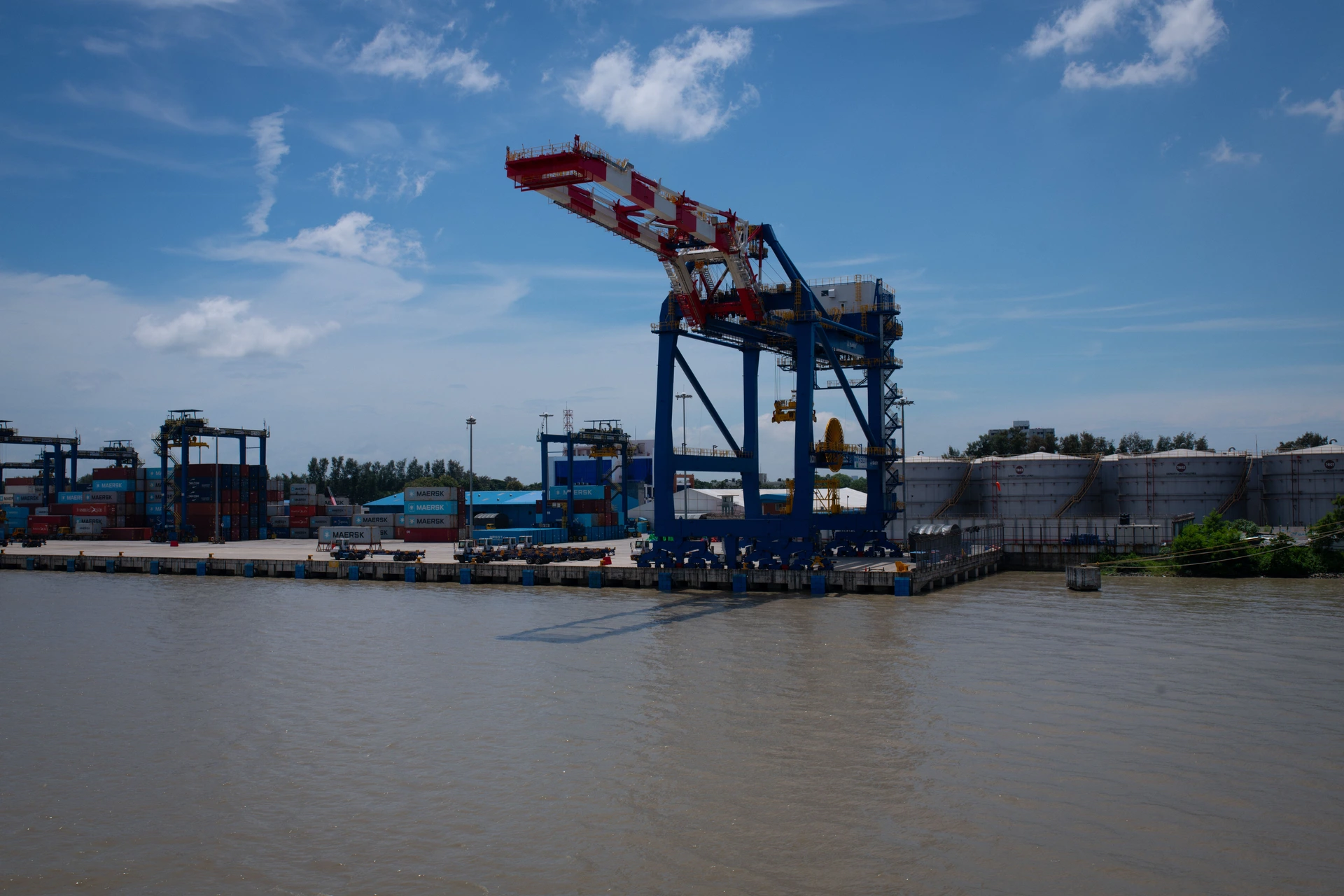
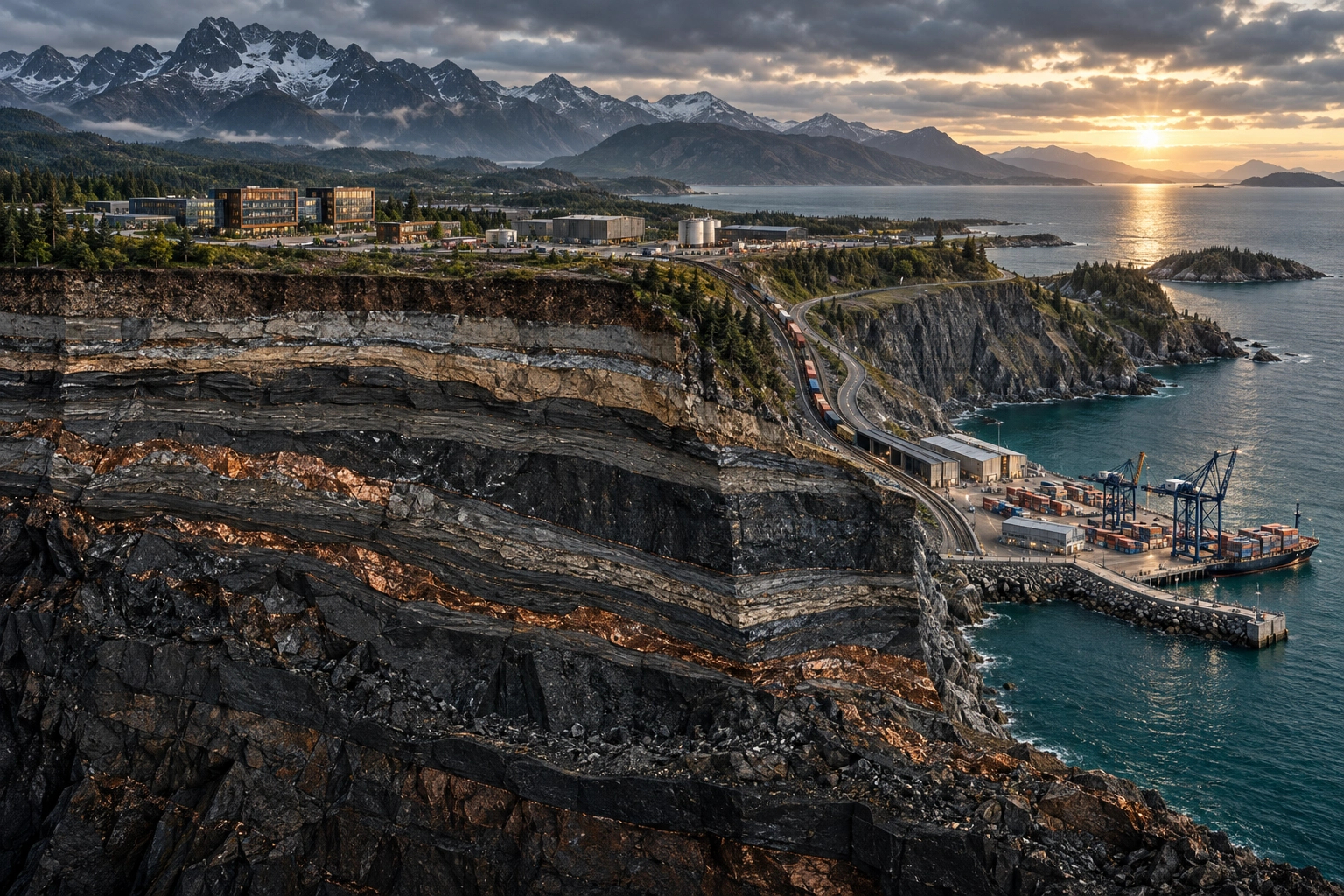
Concept landscape of coastal land, infrastructure and a working port

EVMSI Real Assets

How technology changes the places and resources we use

Buildings and physical resources remain useful through the way people care for and adapt them. New technology matters when it improves that use rather than simply adding more equipment.

Explore our philosophy
The real economy01 / Land02 / Access03 / Development04 / Operations
Grounded in the real worldScroll to discoverEVMSI Estates / 07

01 / Our philosophy

Built for generations

The usefulness of a physical asset depends on its location, demand and continued operation

Real assets include property and physical infrastructure as well as productive land and other natural resources. Their usefulness depends on a connection between place, demand and the conditions needed to keep them in service.

EVMSI explores how technology interacts with these assets, from information about building performance to changes in the services a place can support. The aim is to understand which changes make a place more useful and which need closer examination.

Meet EVMSI Estates
Concept cutaway of layered land connected to roads, buildings and a port
LandInfrastructureLong term value

Land becomes useful through its physical conditions, services and connections to the people who need it.

Essential to everyday life01
Connected by infrastructure02
Built for the long term03

EVMSI Real Assets / Technology and research

Explore physical assets and technology

Real assets include property and physical infrastructure as well as productive land and other natural resources. Their usefulness depends on a connection between place, demand and the conditions needed to keep them in service.

EVMSI explores how technology interacts with these assets, from information about building performance to changes in the services a place can support. The aim is to understand which changes make a place more useful and which need closer examination.

Explore the focus areas
A visual exploration of technology
Research direction

Physical assets serve different kinds of everyday demand

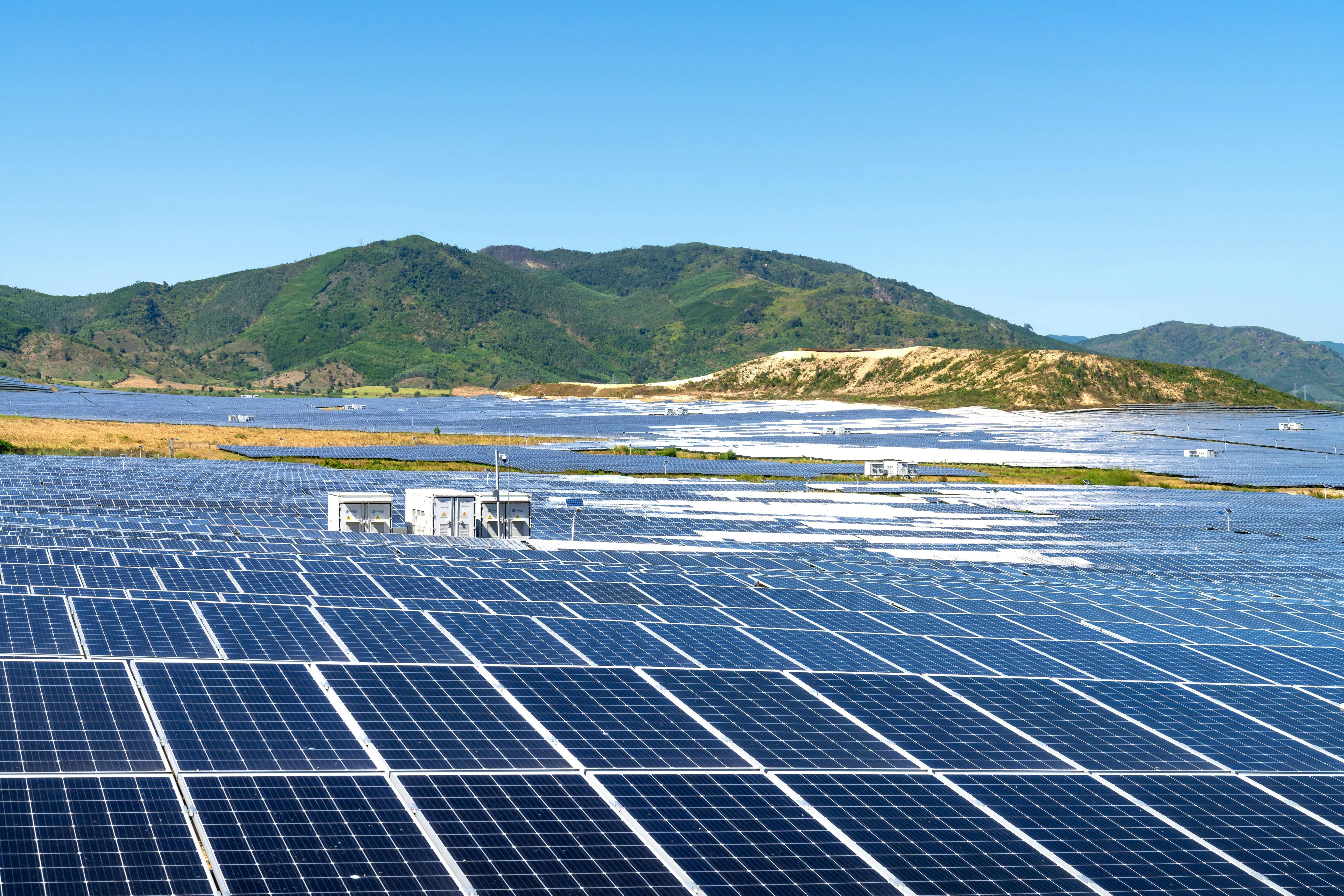
Rental homes and commercial buildings provide space, while data centres and electricity infrastructure support services that depend on specialised equipment. Farmland, timberland and storage facilities meet other needs and have their own operating conditions.

Further context

The technology surrounding an asset should be understood in relation to that purpose. Better information about use or condition can be valuable, but the relevant measurements differ between a home and a facility with continuous technical demands.

Research direction

Practical improvements need to be measured in context

Building controls, changes to heating and cooling, and improvements to the building envelope address different aspects of energy use. The IEA considers these technologies alongside the infrastructure that allows buildings to operate more efficiently.

Further context

Those improvements are separate from claims about property income, diversification or protection against inflation. Understanding the physical benefit and the financial outcome as different questions avoids treating an attractive technology upgrade as proof of a particular investment result.

Research direction

Changing needs can alter how existing places are used

A place can remain physically sound while the needs of its users change. Adaptation may involve a different use of space or improvements to the services that the building can support.

Further context

Broad estimates of infrastructure needs help frame the scale of development, but they say little about the suitability of an individual site. Local demand and the condition of existing assets are more useful starting points for understanding where a new approach could make a difference.

Research direction

Digital information works best alongside physical understanding

Drawings and maintenance records can help people understand an asset before deciding what to change. Measurements from connected equipment add another view, but incomplete records or unreliable readings can still lead to a mistaken conclusion.

Further context

Ownership and maintenance responsibilities also affect whether an improvement can be carried out and sustained. Valuation methods and lease terms answer different questions from physical condition, so a digital presentation should not blur those distinctions.

Research direction

Digital access is different from ownership or liquidity

A digital interface can make information about a physical asset easier to find and compare. It does not change the physical asset or establish that a person can buy or sell an interest whenever they choose.

Further context

Arrangements that divide ownership into smaller interests still depend on their agreements and the conditions for transfer. Understanding this distinction allows readers to consider changes in access without confusing a convenient interface with unrestricted ownership or an easy exit.

02 / From potential to purpose

Connected to the real economy

How construction choices, accommodation needs and building information shape useful spaces

Explore how construction choices, guest needs and building information could support more useful spaces.

Modular Living

Understand the place and its use.

Modular construction arranges a building as sections that can be produced and assembled. Its practical use depends on site access, connections, transport and the needs of the people who will occupy it.

  • Site access
  • Assembly
  • Everyday use
Discuss an opportunity

Proposed research applications, not announced developments or operating properties.

Land connected to opportunity

Why transport, services and site connections matter before modular construction begins

Modular construction needs a practical route to the site. Transport, services and technical connections should be considered before assembly.

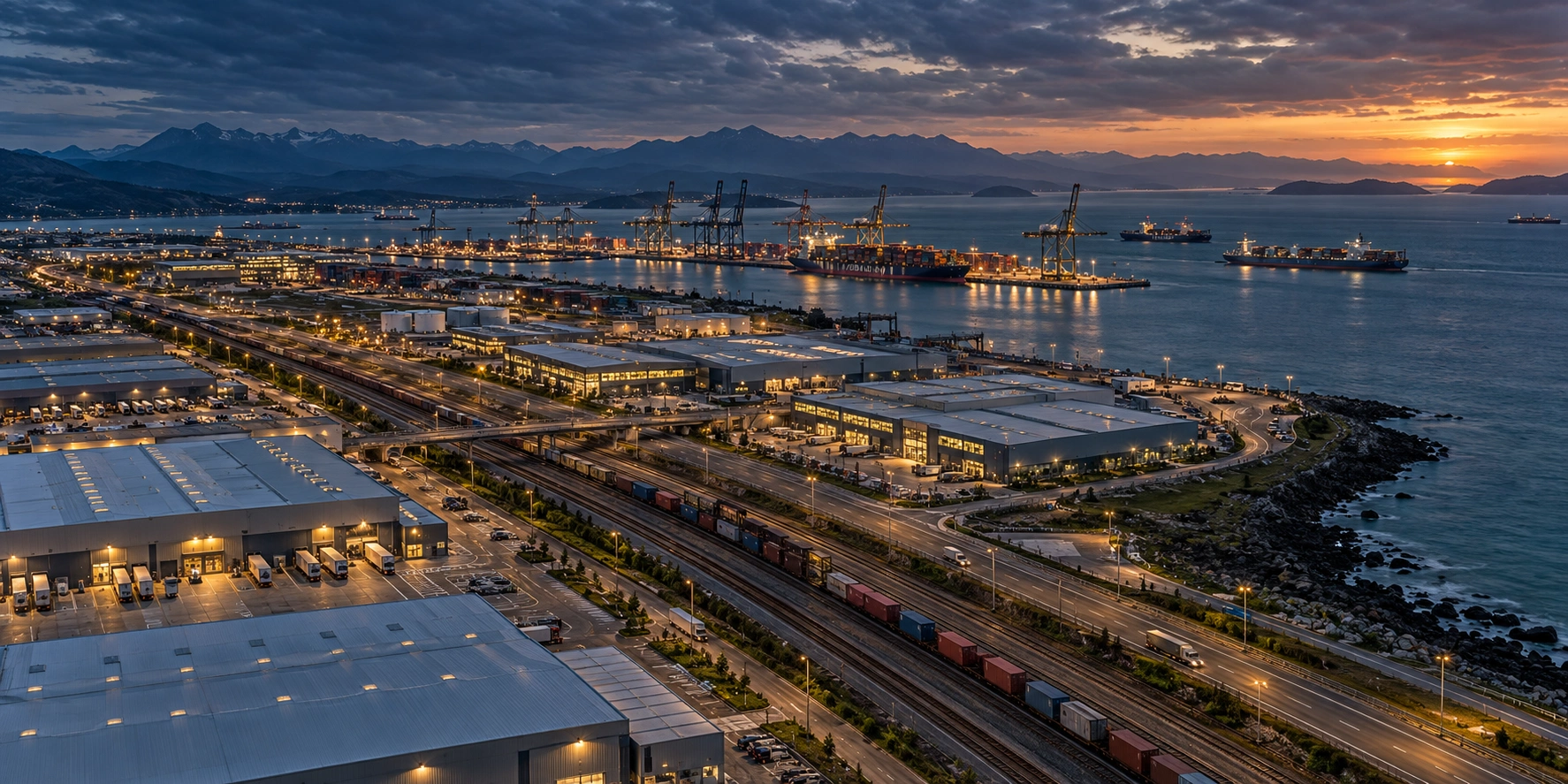
Concept view of a coastal logistics corridor with warehouses, railway and port
Serviced landTransport connectionsAccess to markets

03 / The value of time

Digital access to information does not change the physical limits of an asset

A digital interface can make information about a physical asset easier to find and compare. It does not change the physical asset or establish that a person can buy or sell an interest whenever they choose.

01

Land

Review the location, ground conditions and the intended use of the land.

02

Connections

Identify the transport routes, utilities and services that the intended use requires.

03

Lasting value

Consider how the place will be maintained and adapted as needs change.

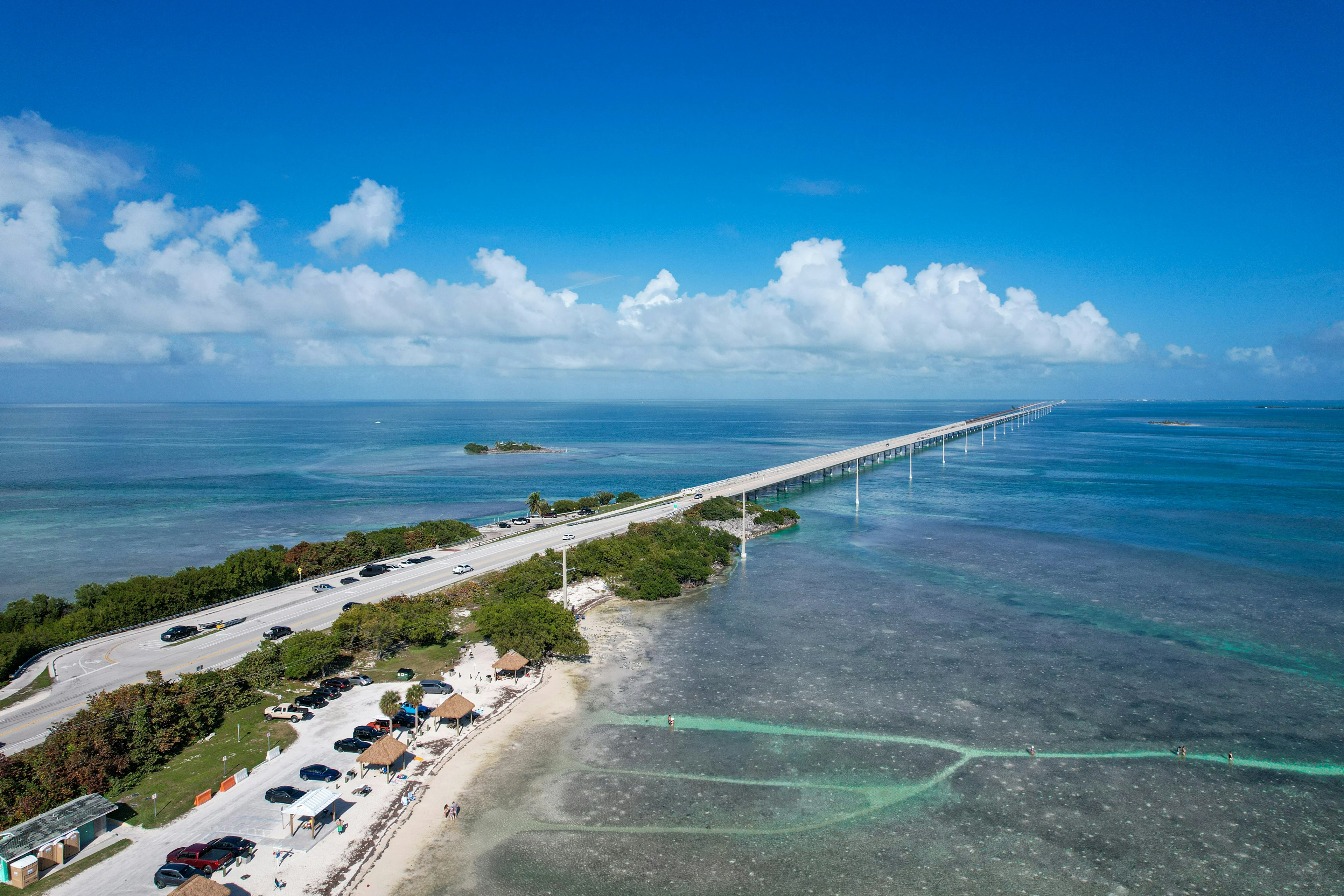
A coastal bridge connecting land across the seaA longer view01, ∞

04 / The work behind the vision

Evaluating a proposed space through assembly, everyday use, privacy and maintenance

A proposed space needs to work for its residents and operators. Our evaluation would consider assembly, daily use, privacy and maintenance together.

01Understand the people.

Consider the different needs of people living alone, young families and frequent travellers before choosing a space model.

02Check the site and assembly.

The technology surrounding an asset should be understood in relation to that purpose. Better information about use or condition can be valuable, but the relevant measurements differ between a home and a facility with continuous technical demands.

03Design for daily use.

Ownership and maintenance responsibilities also affect whether an improvement can be carried out and sustained. Valuation methods and lease terms answer different questions from physical condition, so a digital presentation should not blur those distinctions.

04Keep a verified building record.

Arrangements that divide ownership into smaller interests still depend on their agreements and the conditions for transfer. Understanding this distinction allows readers to consider changes in access without confusing a convenient interface with unrestricted ownership or an easy exit.

05 / Our perspective

Combining drawings, maintenance records and equipment readings to understand a place

Drawings and maintenance records can help people understand an asset before deciding what to change. Measurements from connected equipment add another view, but incomplete records or unreliable readings can still lead to a mistaken conclusion.

Our home
Ho Chi Minh City · Viet Nam
Our perspective
Homes and accommodation
Our research lens
Everyday use and adaptability

06 / A connected company

EVMSI / Estates

How energy, production systems and useful data inform the operation of buildings

Energy management, production systems and useful data can inform how homes are built and operated. Each connection needs a defined purpose.

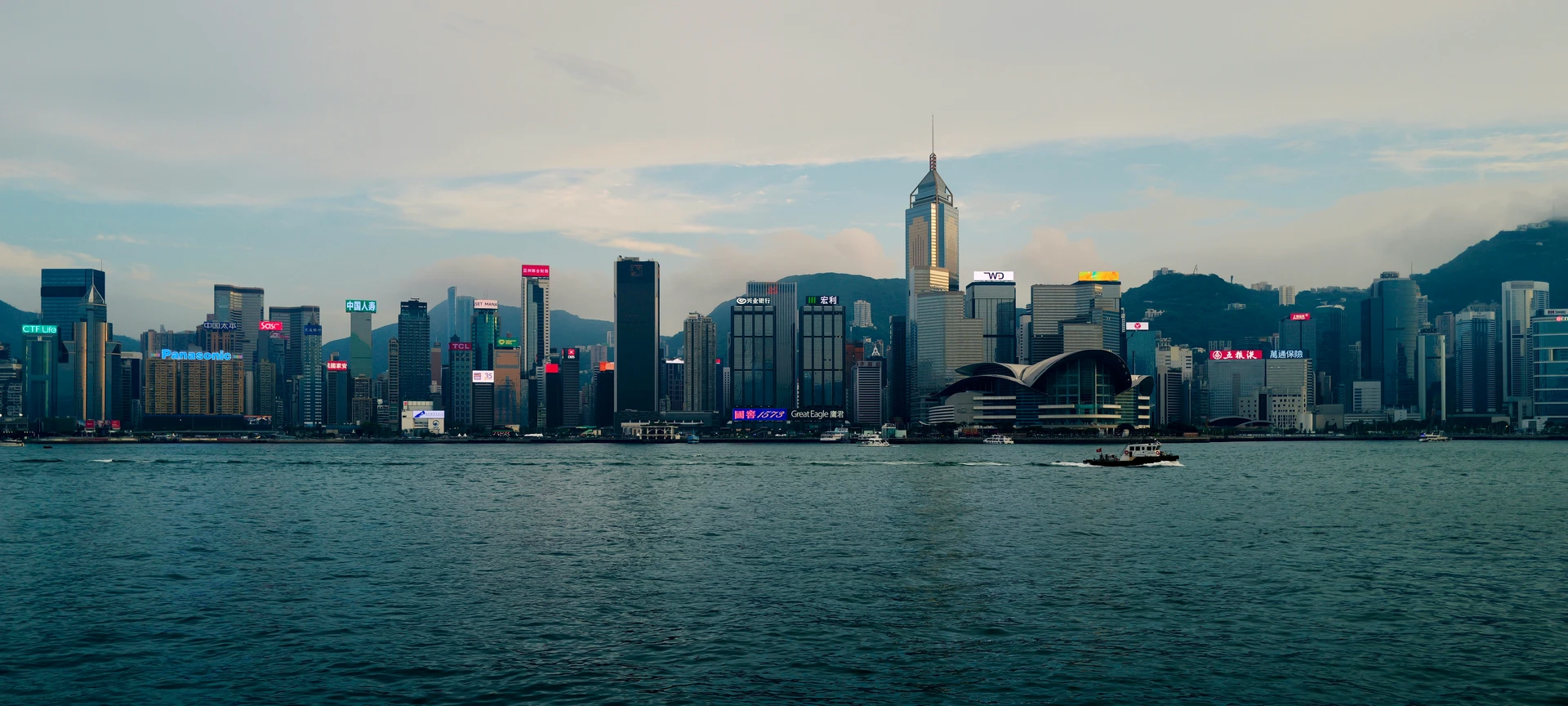
Ho Chi Minh City skyline beside the Saigon River

A shared horizon

Understand the wider systems that make a place useful

Continue with infrastructure to explore how essential networks and digital information connect with the buildings and physical assets that people use.

Concept artwork and location photography illustrate our perspective, not announced EVMSI holdings.

Visual credits

Concept artwork created for EVMSI from the supplied visual direction. · Oleksiy Yeshtokyn · Jiachen Lin · Tron Le · Unsplash photography · Sources and licences